Soap and clean water are simple tools with outsized effects, and women and girls are often the first to feel them.
Handwashing with soap protects everyone, but its benefits reach women and girls in particular: girls staying in school with dignity, mothers and newborns being safer at birth, and women taking a leading role in community health. This post explains why, using WHO, UNICEF, UN-Water, Cochrane and CDC sources.
Every year on October 15, the world pauses to celebrate one of the simplest health habits there is. This year's call, “Be a Handwashing Hero,” asks all of us to champion clean hands at home, at school, at work, and in our communities.[1]
Look closely at what soap and clean water make possible and a pattern emerges. Whether a girl can stay in school with dignity, whether a woman is safe when she gives birth, and how much of her day goes to carrying water: each depends on access to clean hands.[4] Here is why a bar of soap is a game-changer for women and girls.
Everyone, from young children to senior officials, can lead the way to cleaner hands in their homes, schools, workplaces, and communities.[1]
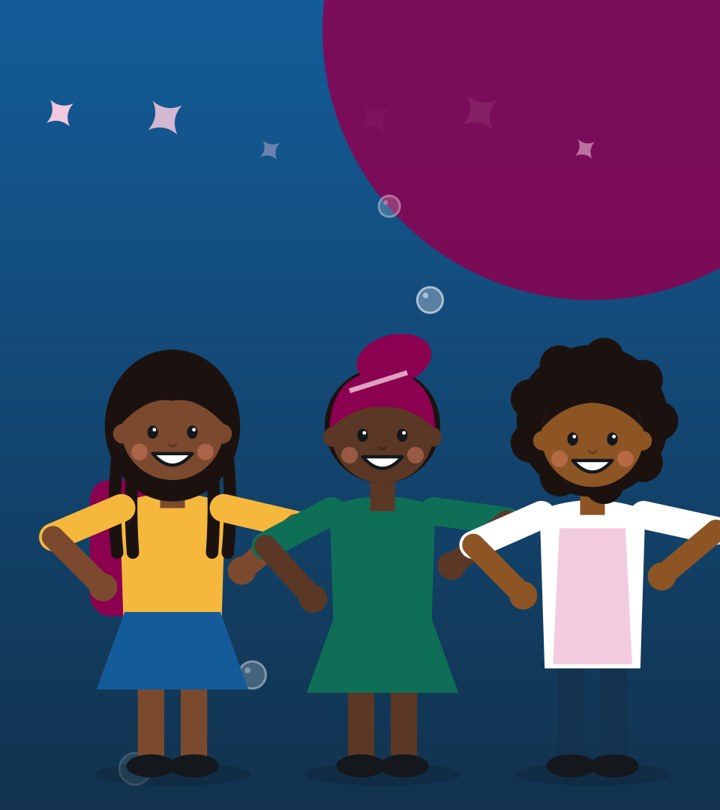
Three short scenes from this post: a girl who needs a handwashing station at school, a midwife preparing for a safe birth, and women teaching their community to scrub for 20 seconds.
Prefer YouTube? Watch on YouTube →
A school should be a place where girls can learn, not a place where basic needs go unmet.
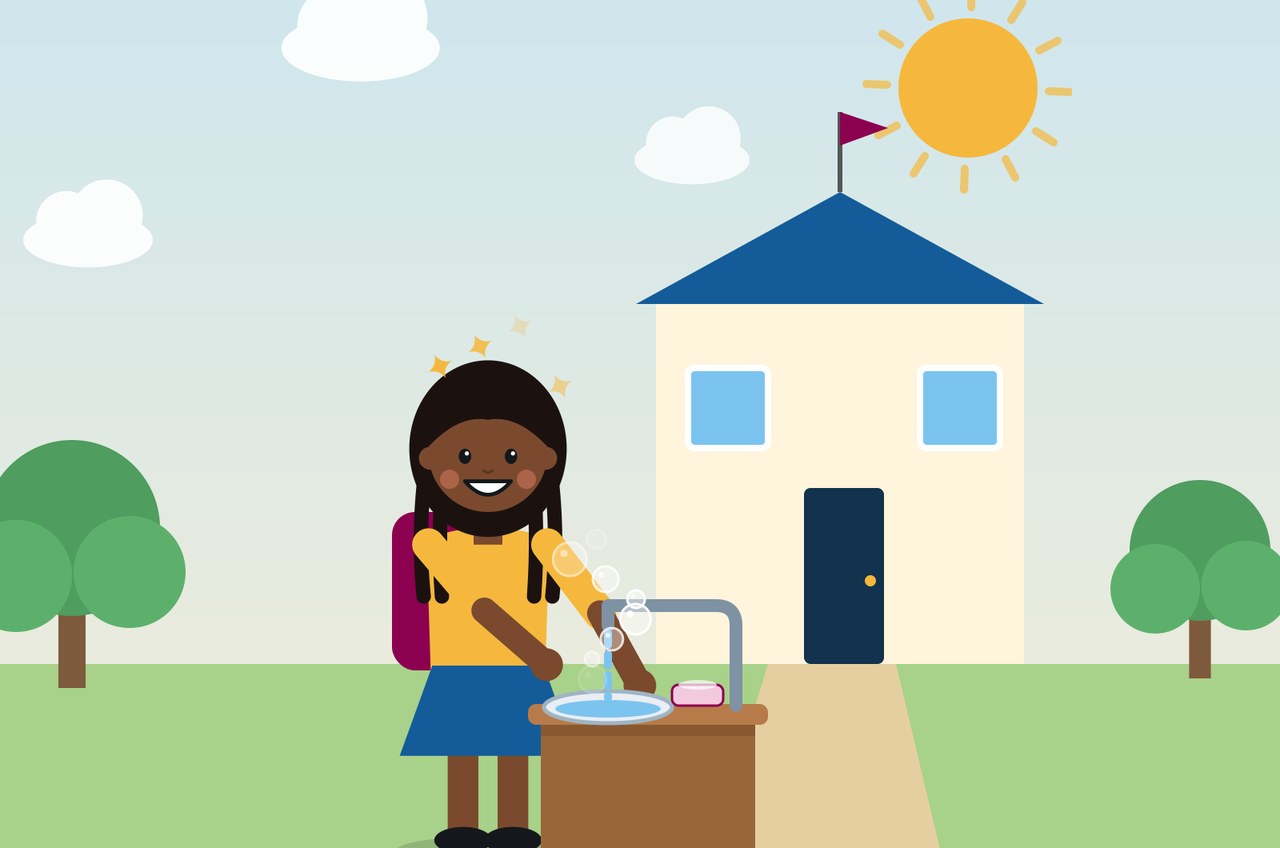
UN-Water notes that women and girls have specific hygiene needs: a clean, functional, lockable space with water and soap, and the means to manage menstrual hygiene.[4] When safely managed water, sanitation, and hygiene (WASH) services are missing, their ability to study, work, and live in dignity suffers.[4]
The gap is still wide. In 2019, more than 4 in 10 schools worldwide had no basic handwashing facilities.[3] By 2025, about 545 million school-age children still lacked a basic hygiene service at school, according to a WHO/UNICEF report released in September 2026, and progress is too slow to reach universal access by 2030.[2]
Safe childbirth starts with clean hands and a clean environment.
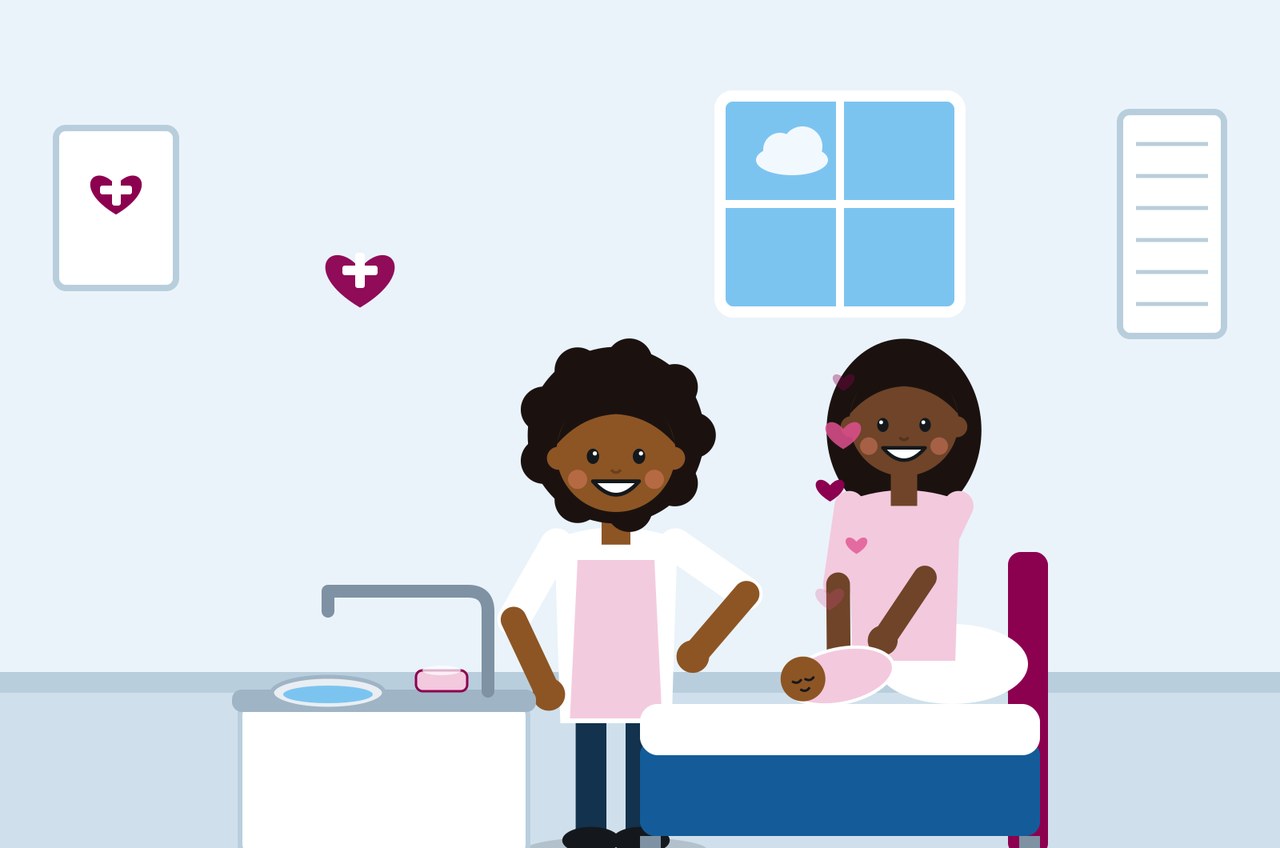
In 2017, WHO reported that each year around 30,000 women and 400,000 babies die from infections such as puerperal sepsis, often linked to a lack of water, poor sanitation, and poor handwashing.[5] WHO and UNICEF data cited by UN-Water show that infections cause 26% of neonatal deaths and 11% of maternal deaths.[4]
Conditions in many facilities make this harder. More than 1 in 3 health facilities in low- and middle-income countries had no soap for handwashing,[5] and half of the world's health care facilities still lack basic hygiene services.[6]
Handwashing is one part of clean care. WHO also recommends clean gloves, sterilized equipment, a clean birthing area, and safe waste disposal.[5] Evidence on handwashing alone is promising but not conclusive. A study of more than 23,000 newborns in southern Nepal linked handwashing with soap by birth attendants to a 19% lower risk of neonatal death, and by mothers before handling their babies to a 44% lower risk. It was an observational study, so it shows an association rather than proof of cause, and other trials have been mixed.[7]
Water and hygiene are also questions of time.
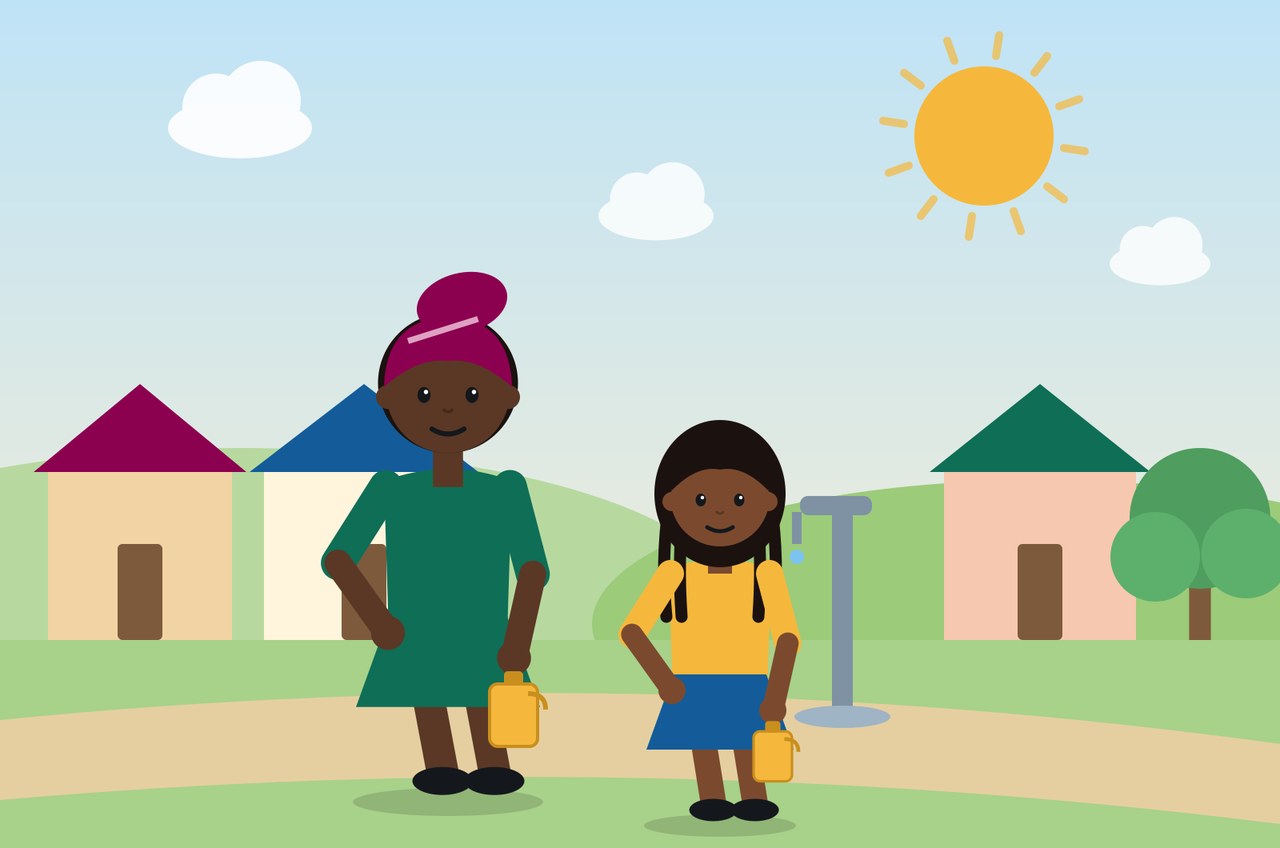
UN-Water reports that 1.8 billion people still have no drinking water on their premises, and that in two out of three households women are mainly responsible for collecting it.[4] Long walks, often more than once a day, can leave women and girls vulnerable and keep them from school or from earning an income.[4]
Handwashing at home adds another layer. A Cochrane review found that handwashing promotion prevented about a third of diarrhoea episodes in schools and day-care centres in high-income countries, and about a quarter in community programmes in low- and middle-income countries, though the evidence for the latter is less certain.[8] Fewer illnesses can mean fewer disrupted days for children, and more time for girls and women to learn, work, and rest.
Women are central to how hygiene knowledge travels.
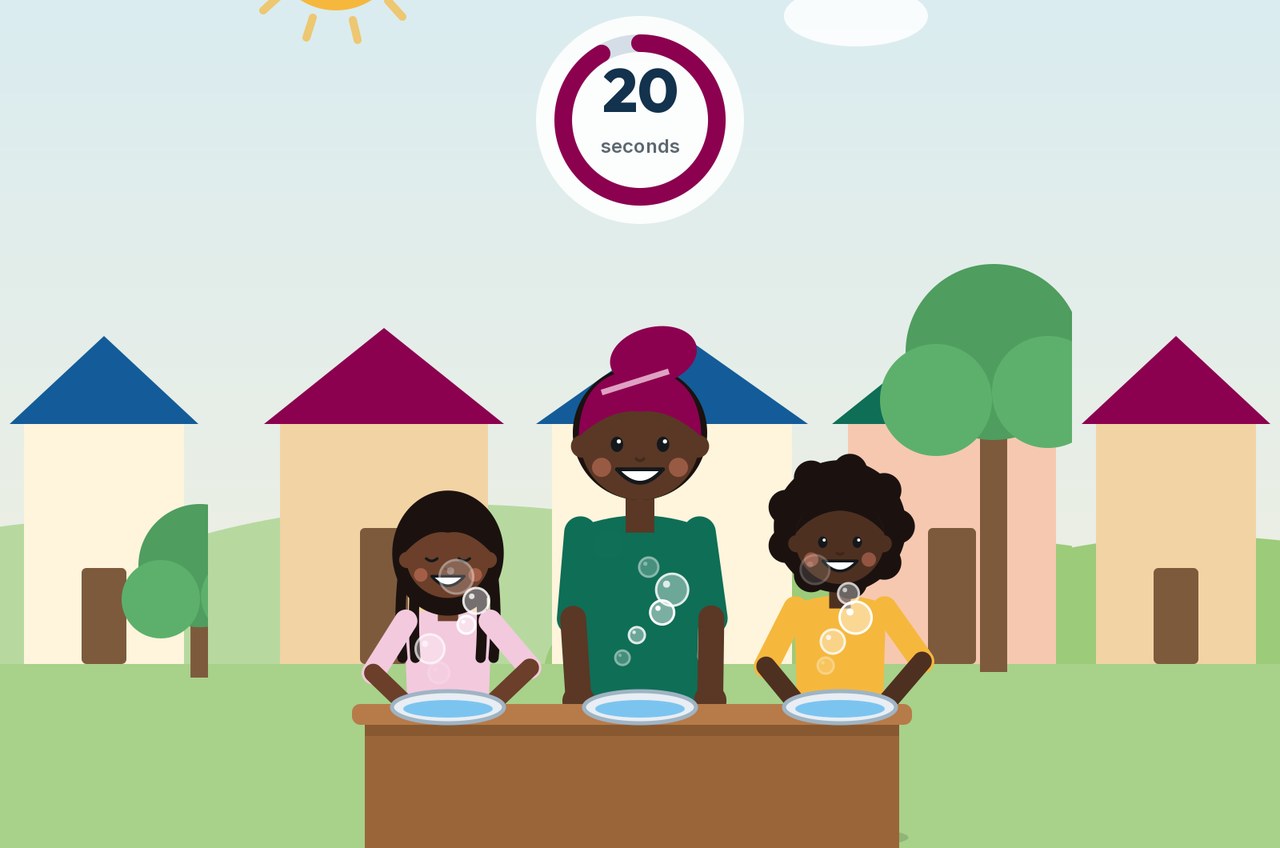
As mothers, teachers, midwives, and community health workers, women show children and neighbours what clean hands look like in practice. Leadership also means having a say. UN-Water stresses that women and girls must play a central role in designing and delivering WASH solutions, yet fewer than 50 countries have laws or policies that specifically mention women's participation in rural sanitation or water resources management.[4]
When a woman learns why 20 seconds matters, she passes it on. When she helps design the services her community uses, those services are more likely to work for everyone.
At HEER Africa, water, sanitation, and hygiene are part of the priorities of our HER Science Initiative, our women's health research programme.
True heroism doesn't require a cape. This Global Handwashing Day, let's advocate for the girls who need better facilities at school, the mothers who deserve safe care, and the women leading their communities. The CDC's five steps are simple:[9]
Wet your hands with clean, running water (warm or cold), turn off the tap, and apply soap.
Rub your hands together with the soap. Lather the backs, between your fingers, and under your nails.
Scrub for at least 20 seconds.
Rinse your hands well under clean, running water.
Dry with a clean towel or an air dryer.
Need a timer? Hum “Happy Birthday” from beginning to end, twice.
Share this post, pass on the film, and be a handwashing hero today and every day.