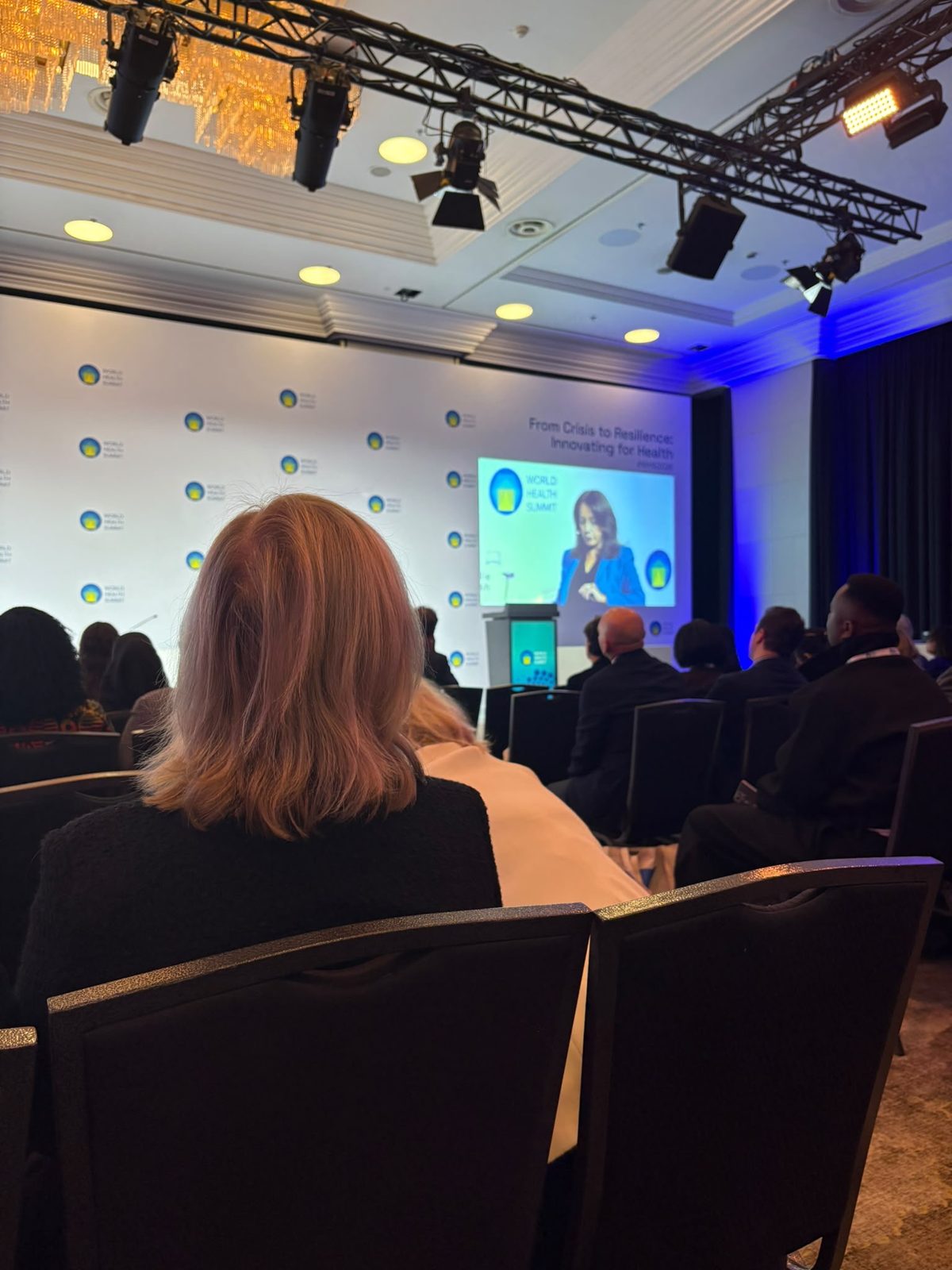
The World Health Summit brings together governments, researchers, funders and civil society to set the direction of global health. We went to listen, to learn how global priorities are shifting, and to meet people working on the same questions we are. We attended sessions on health security, antimicrobial resistance, neglected tropical diseases, maternal and child health, and women's health. These are the six ideas we heard most often, and what they mean for our work.
1. Africa at the centre of its own health future
With many global health commitments ending in 2030, speakers kept returning to what comes next: country ownership, sustainable financing and stronger African capacity, rather than projects that end when funding does.
“Africa must be at the center of decisions about [Africa's] health future.”
Professor Yul Rakotomalala Rakotonirina, Director of Health and Human Affairs, African Union Commission
What it means for us. This is the reason HEER Africa exists: building the research, mentorship and evidence pathways that let African researchers lead the questions about African health.
2. Evidence that speaks the language of budgets
Several speakers argued that good intentions are not enough to move finance ministries. Countries need local evidence on the cost of preventable deaths and the returns from proven interventions.
“We must make the economic case using country-level evidence … Finance ministries must be provided with this evidence that speaks the language of fiscal returns, productivity, human capital, and long-term economic resilience.”
Dr Lucy Musyoka, Ministry of Health, Kenya
What it means for us. Through HEER Evidence, we want to present African research in the terms decision-makers use, including cost and return, not only clinical outcomes.
3. Strong health systems start with laboratories and surveillance
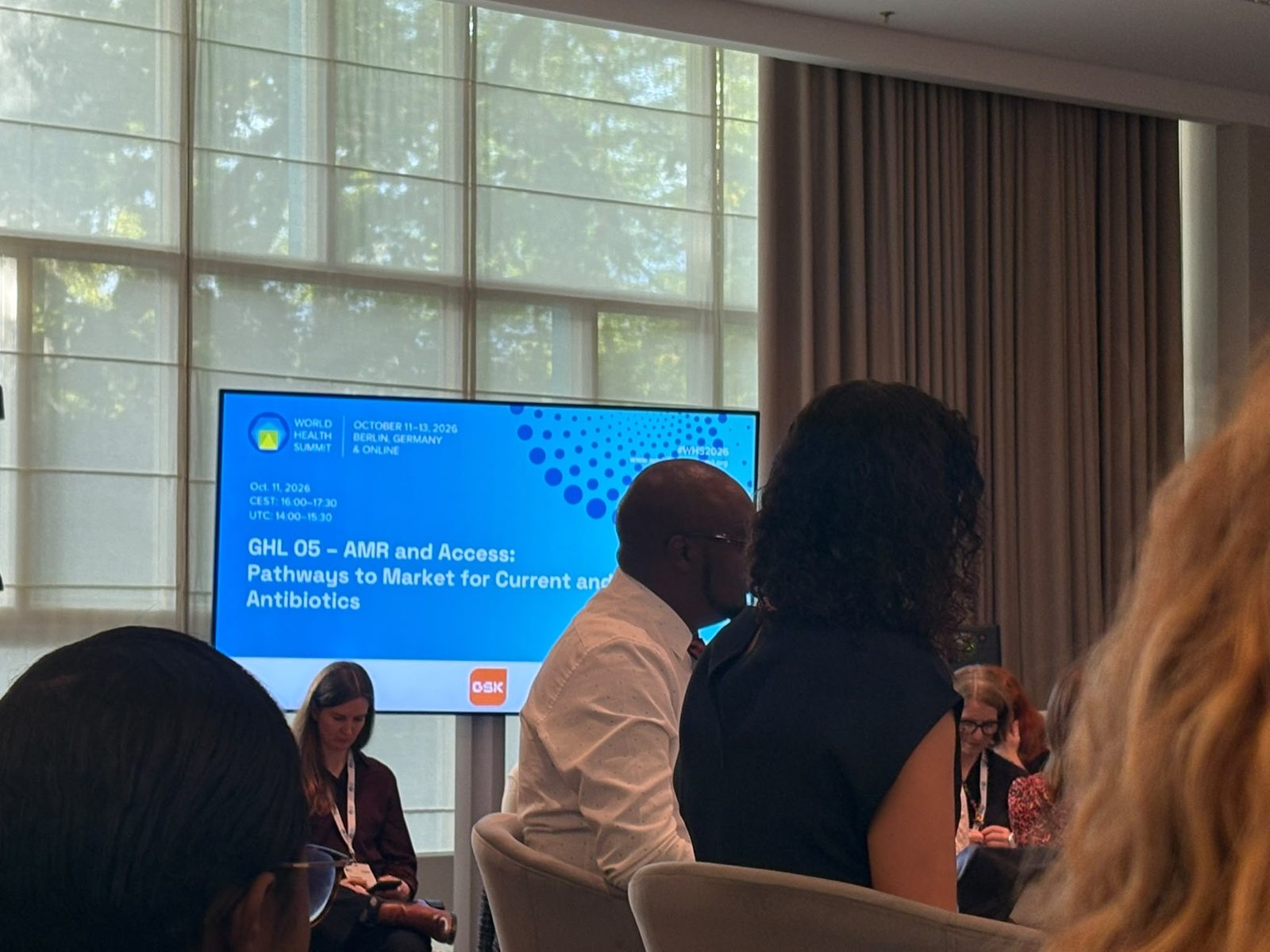
In the session on antimicrobial resistance, the message was that outbreaks, resistance and access to medicines all depend on the same foundation: laboratories, diagnostics and surveillance data.
“Without surveillance data, how can Africa advocate to have introductions of new antibiotics? That means we are telling you to work with us blindly.”
Dr Yewande Alimi, Africa Centres for Disease Control and Prevention
What it means for us. Surveillance data is only as useful as the researchers who can analyse and translate it. Building African capacity to generate and interpret that evidence is part of our research priorities.
4. Data that includes everyone
Artificial intelligence and digital tools came up in almost every session. Speakers were clear that these tools are only as good as the data behind them.
“If you want the models to help, they have to have data from all of the different groups of people around the world.”
Dr Paul Friedrichs, former Director, White House Office of Pandemic Preparedness and Response Policy
What it means for us. When African populations are missing from research, they are missing from the tools built on it. Generating and translating African data is part of making new technology work for African patients.
5. No resilient health system without women's health
The session on women's health placed it at the core of health system resilience, and made the point that this depends on who does the science as well as who it studies.
“There is no resilient health system without women's health. And as a scientist, let me add that there is no women's health without science that includes women as participants and as scientists.”
Dr Sylvie Briand, Chief Scientist, World Health Organization
What it means for us. This is the thinking behind our HER Science Initiative: women's health research in Africa, led by African researchers, many of them women.
6. Locally led, and led by young people
Speakers from governments, funders and industry described the most promising programmes as those designed by the communities they serve. Youth-led organisations were named as an important part of that picture.
“The solutions are designed by the people who know their communities best. For me, this is what resilience means: health systems built from the ground up and built to last.”
Hiroyuki Okuzawa, President and CEO, Daiichi Sankyo
What it means for us. HEER Africa is a young, African-led team, and we will keep building our work with and for the communities it is meant to serve.
Sessions worth watching
- Women's Health at the Core of Resilience
- Transforming the Future: Ending Preventable Maternal and Child Deaths
- AMR and Access: Pathways to Market for Current and New Antibiotics
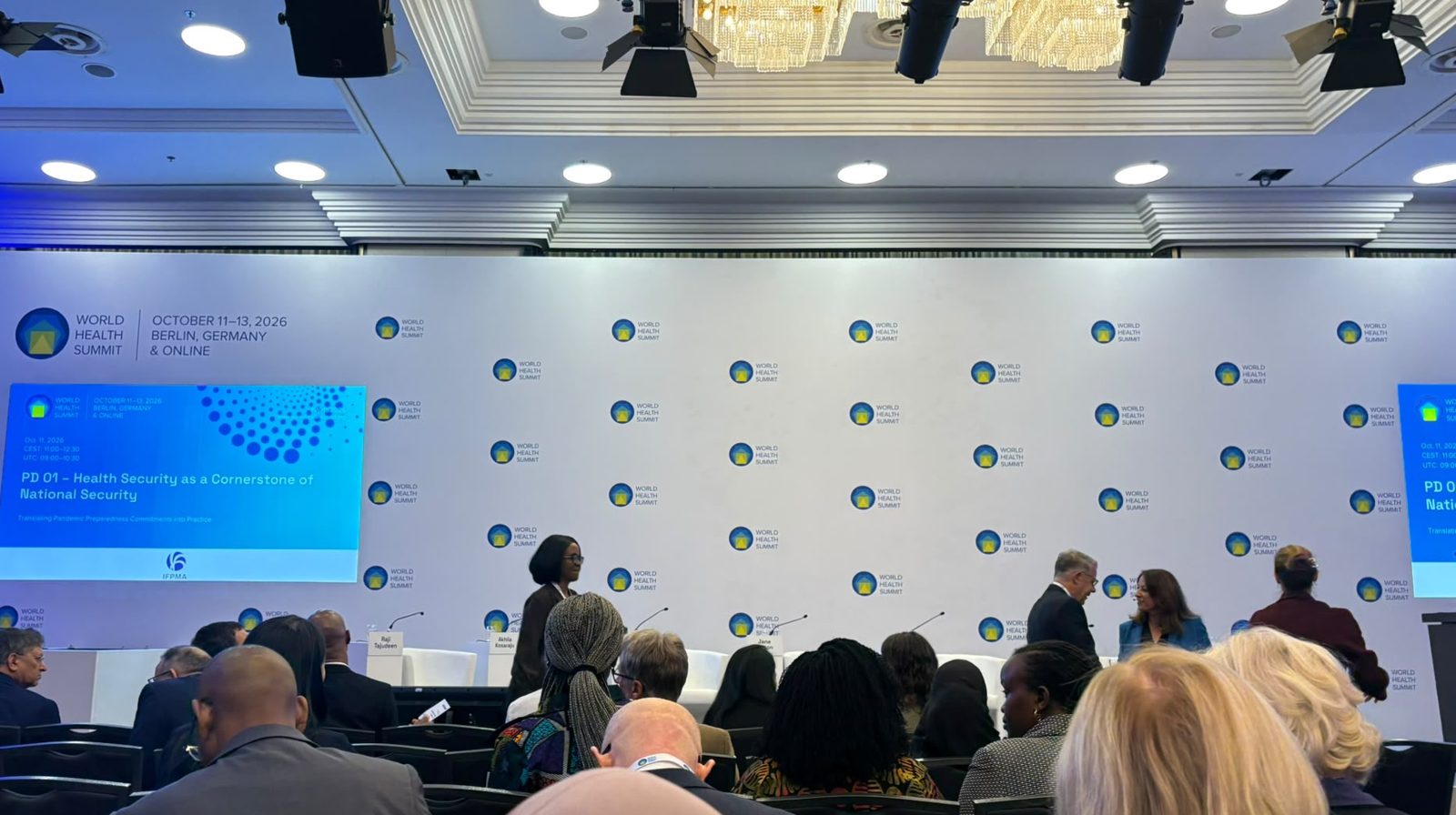
We also attended Health Security as a Cornerstone of National Security and NTDs 2030: Turning Challenges into Health System Strength.
What's next for us
We are following up with the people we met in Berlin, and taking three priorities forward: building more African-generated evidence through HEER Evidence, growing the HER Science research network, and creating more opportunities for early-career African researchers to lead. If you were at the summit and work on these questions, we would like to hear from you.