Health · Evidence · Education · Research Planning Phase — 2026

Advancing health through evidence and education.

HEER Africa is a nonprofit health research and innovation organization dedicated to improving health outcomes through evidence generation, scientific capacity building, health education, and collaborative problem-solving.

Founded2026
Flagship programHER Science Initiative
Strategic pillars4
Focus regionAfrica
Rolling sand dunes across an African desert landscape.
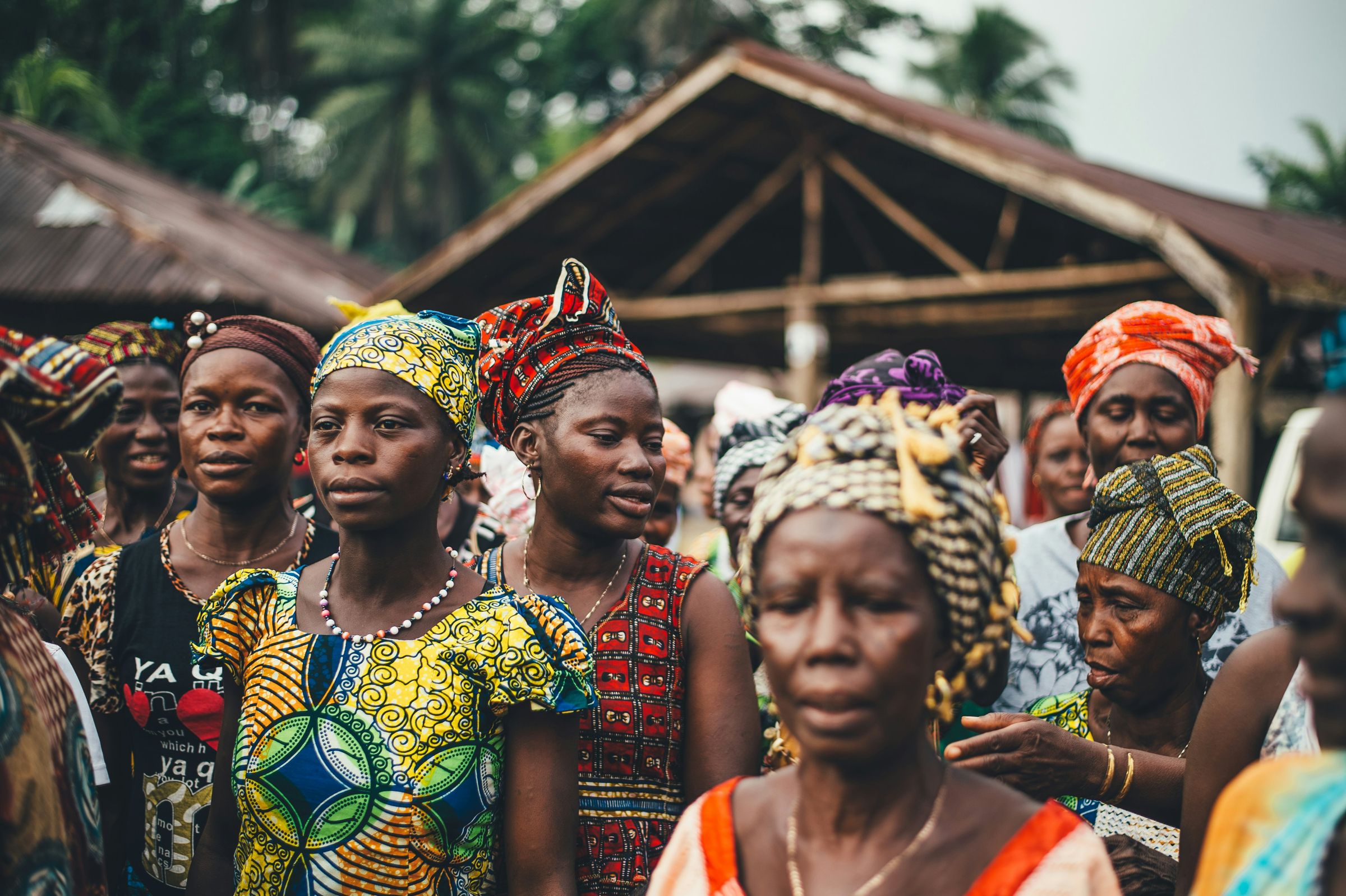
A crowd of women in patterned clothing and headwraps at a community gathering.
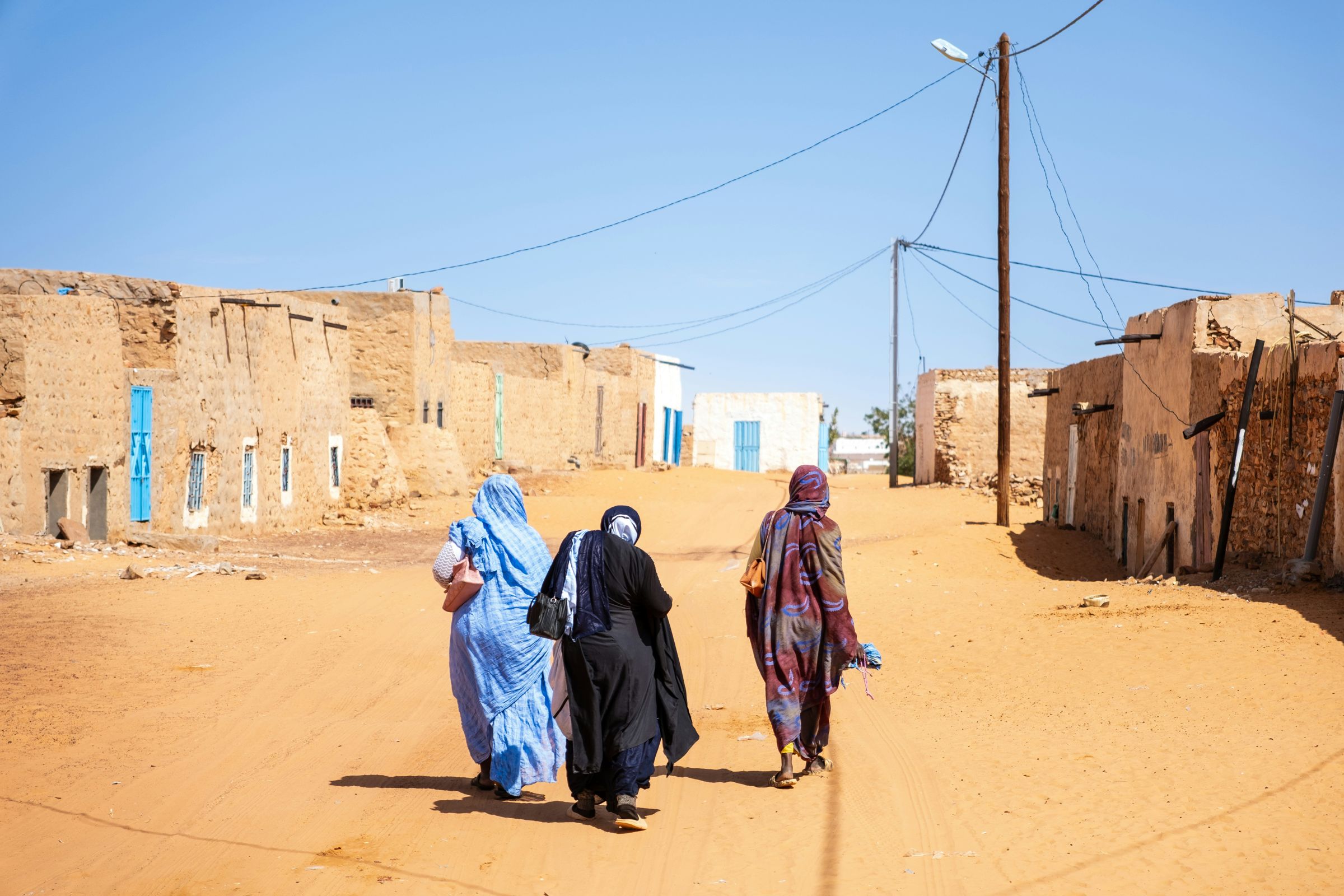
Smiling women in hijabs gathered together.
A smiling woman dancing among a community during daytime.

Landscapes across Africa — the terrain at the center of HEER Africa's research.

Where We Work

Pan-African in scope, community-rooted in practice

HEER Africa is built for the continent — not a single country or region. Our research, mentorship, and education efforts are designed to scale across African health systems, starting with HER Science Initiative and growing pillar by pillar.

Why It Matters

The data gap is geographic as much as it is medical — African populations remain underrepresented in the global research base, even as global attention to women's health accelerates elsewhere.

Map highlighting the African continent

Who We Are

Advancing health through evidence, innovation, and collaboration

Despite significant advances in healthcare, many communities continue to experience preventable illness and poor health outcomes due to gaps in research, awareness, access, and implementation of evidence-based solutions. Women and children in particular face health challenges that are often under-researched, underdiagnosed, and insufficiently addressed.

HEER Africa exists to close that gap — not only through education, but by strengthening the ecosystem required to generate knowledge, develop solutions, and improve health outcomes. We serve as a bridge between researchers, healthcare professionals, communities, policymakers, and innovators.

  • Limited locally generated research addressing population-specific health needs
  • Insufficient representation of African populations in biomedical and clinical research
  • Gaps between scientific discoveries and public health practice
  • Limited opportunities for early-career researchers and health professionals
Our Approach

Four strategic pillars

Everything we do sits within a broader strategy for building a healthier, more equitable research ecosystem across Africa.

01

Health Research & Evidence Generation

Supporting collaborative research, literature reviews, health reports, and policy briefs that address important health challenges.

02

Scientific Capacity Development

Research mentorship, scientific writing and grant-writing workshops, and training in bioinformatics and research methodology.

03

Health Education & Community Engagement

Public health education campaigns, webinars, and evidence-based communication to improve access to accurate health information.

04

Health Innovation & Solutions

Identifying healthcare gaps requiring innovation and facilitating partnerships between researchers and innovators.

Feature Flagship Program

HER Science Initiative

HEER Africa's Women's Health Research Program — our entry point for improving understanding of, and outcomes related to, diseases and conditions that disproportionately affect women.
A woman in a pink hijab, representing the women and communities HER Science Initiative serves.

Initial Focus Areas

  • Cervical cancer and HPV prevention
  • Fibroids
  • Breast cancer
  • Reproductive and maternal health
  • Maternal infections
  • Vaccine-preventable diseases affecting women
  • HIV/AIDS and other infectious diseases disproportionately affecting women and girls
  • Midlife health and menopause — an emerging global research priority still largely unaddressed in Africa

Year One Objectives

  • Build a network of researchers, clinicians, and advisors
  • Publish at least one evidence summary or health report
  • Deliver a public education campaign on a priority topic
  • Launch a mentorship structure for early-career researchers
  • Establish at least two institutional or academic partnerships
Who We Serve

Built for the people closest to the gap

Women, Girls & Families

Communities with limited access to reliable, evidence-based health information.

🎓

Early-Career Researchers & Students

Mentorship, training, and networks for the next generation of African scientists.

🏥

Institutions & Policymakers

Universities, healthcare institutions, and research organizations building an evidence-driven health system.

Where We're Starting

First 12 months

HEER Africa is currently in its planning phase. This is our roadmap for building the foundation.

ICurrently here Months 1–3 · Foundation

Register & Establish

Register the organization, establish governance and an advisory board, build our online presence, and recruit early collaborators and volunteers.

II Months 3–9 · Build & Demonstrate

Launch & Publish

Launch a webinar/education series, establish a mentorship program, publish our first evidence report, and build university partnerships.

III Months 9–12 · Scale & Fund

Formalize & Fund

Apply for grants, develop research proposals, formalize institutional partnerships, and launch pilot research activities.

Get Involved

HEER Africa is being built with, not just for, our community

We're seeking advisors, researchers, clinicians, and institutional partners interested in shaping this work at an early stage.

Become an Advisor

Lend your expertise to help shape our research agenda and governance.

Partner With Us

Universities, hospitals, and health organizations — let's collaborate on research and training.

Join as a Researcher

Early-career researchers and clinicians interested in mentorship and joint research.

Support Our Work

We're in our planning phase and welcome introductions to funders and collaborators.

Contact

Let's talk about what we're building

Whether you're a researcher, advisor, funder, or simply curious about HEER Africa — we'd love to hear from you.

Location Africa · Planning Phase, 2026