
- 54% of deaths in children under five in sub-Saharan Africa are caused by leading infectious diseases, including pneumonia, malaria and diarrhoea [2].
- Pneumonia can be caused by viruses, bacteria or fungi, and most cases can be prevented [4].
- Pregnancy makes pneumonia more dangerous, and it is linked to preterm birth and low birth weight [5].
- Smoke from cooking at home is one of the biggest risk factors for children [7].
- New vaccines, including the first vaccine given in pregnancy to protect newborns, are part of a new era of pneumonia control [6][11].
Pneumonia is an infection that fills the small air sacs in the lungs with fluid, making it hard to breathe. Young children and pregnant women are especially vulnerable, and Africa carries the heaviest burden. Most deaths can be prevented with vaccines, breastfeeding, cleaner air at home, and fast treatment with low-cost antibiotics and oxygen.
A new era of pneumonia control
This year's World Pneumonia Day theme, set by the Every Breath Counts Coalition, is A New Era of Pneumonia Control. It recognises real progress: better vaccines, new tools to diagnose pneumonia, and better ways to treat it [11]. The challenge now is making sure that progress reaches every family in Africa.
HEER Africa joins organisations around the world marking World Pneumonia Day with the Every Breath Counts Coalition. Learn more about World Pneumonia Day →
Why pneumonia still matters
Lower respiratory infections, the group of illnesses that includes pneumonia, remain the world's deadliest infectious disease. The latest Global Burden of Disease estimates put the toll at about 2.5 million deaths worldwide in 2023, with young children and older adults most affected [3]. Death rates among children under five have fallen by about a third since 2010, which shows that prevention and treatment work. But progress has been uneven, and sub-Saharan Africa remains the region furthest from the global target for reducing child deaths from pneumonia [3].
Across Africa, an analysis of the same data estimates that about 327,000 children under five died of these infections in 2023, more than four in ten of all such deaths on the continent, even though young children make up only about one in six Africans [1]. In sub-Saharan Africa, infectious diseases such as pneumonia, malaria and diarrhoea cause more than half of all deaths in children under five, compared with fewer than one in ten in Europe and Northern America [2]. In Nigeria alone, the health minister put the toll at about 162,000 children a year in November 2025 [8]. Behind each number is a child who, in most cases, could have been saved with care that already exists.
What causes pneumonia?
Pneumonia is an infection of the lungs. It can be caused by viruses, bacteria or, less often, fungi [4]:
- Viruses. Respiratory syncytial virus (RSV) is the most common viral cause in young children. Influenza and other respiratory viruses, including the virus that causes COVID-19, can also lead to pneumonia [4].
- Bacteria. Streptococcus pneumoniae (pneumococcus) is the most common bacterial cause in children, followed by Haemophilus influenzae type b (Hib) [4].
- Fungi. In babies living with HIV, Pneumocystis jirovecii is one of the most common causes, responsible for at least a quarter of pneumonia deaths in these infants [4].
Viral and bacterial pneumonia can look very similar, which is why a health worker needs to assess anyone who is unwell [4]. The germs spread through coughs and sneezes, and can pass from a mother to her baby around the time of birth [4].
Children: small lungs, big risks
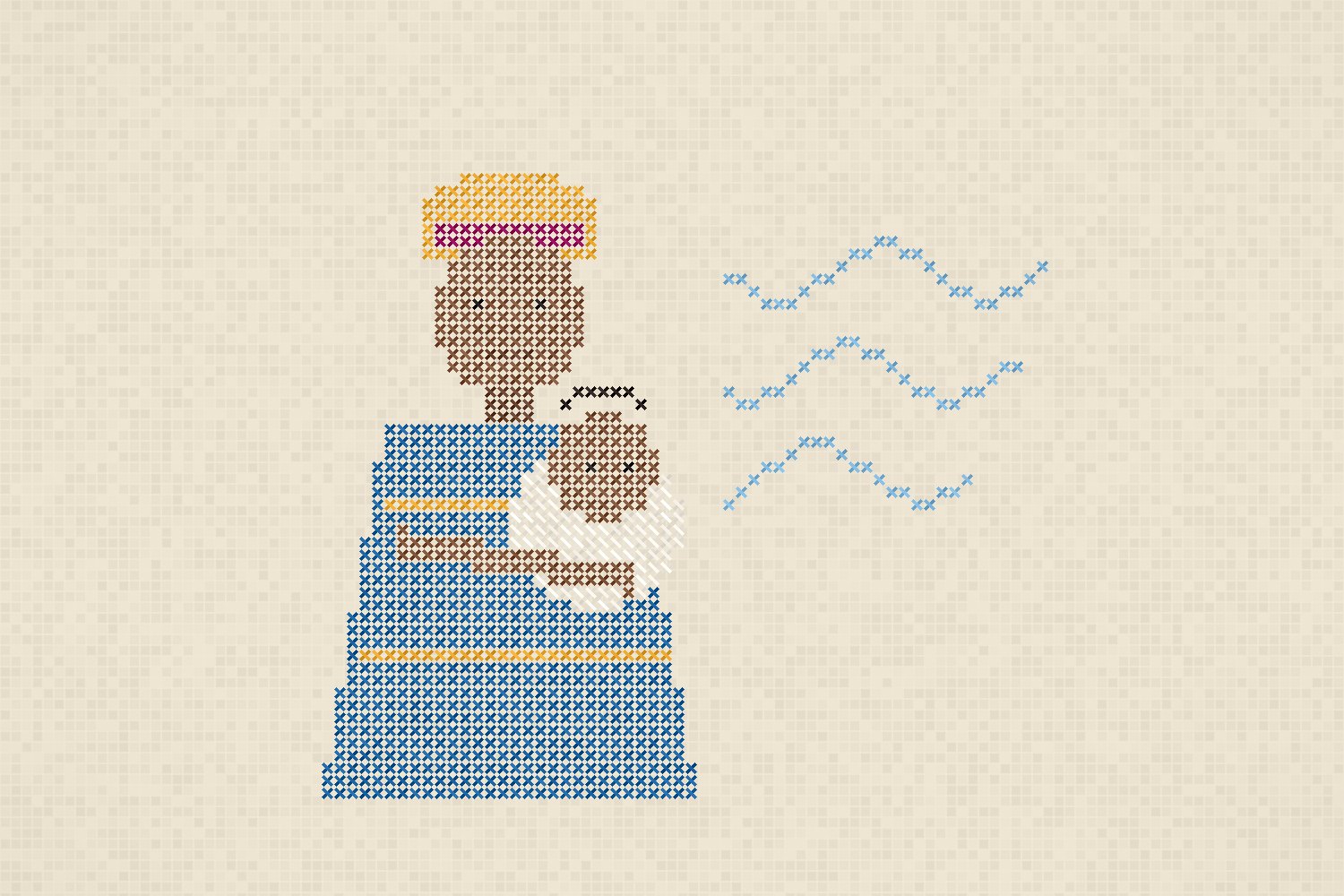
Children with weaker defences are most at risk, including those who are undernourished, those not exclusively breastfed, and those living with HIV or recovering from measles [4]. Where they live matters too: smoky kitchens, crowded homes and second-hand smoke all raise the risk [4].
The warning signs are simple to spot once you know them [4]:
- fast or difficult breathing
- the lower chest pulling in when the child breathes in
- being unable to feed or drink
- in very sick babies, convulsions, unusual sleepiness or a low body temperature
A child with these signs needs a health worker the same day.
A cough with fast breathing is not just a cold. It is a reason to see a health worker today.
Pregnant women: an often overlooked risk
Pneumonia is not only a children's disease. During pregnancy, changes in the immune system and in how the lungs work can make infections harder to fight. Studies have linked pneumonia in pregnancy to a higher risk of preterm birth and low birth weight [5], which in turn make newborns more vulnerable to infections, including pneumonia.
Pneumonia also contributes to maternal deaths. Worldwide, more than a quarter of maternal deaths (27.5%) come from “indirect” causes, illnesses such as infections that pregnancy makes more dangerous, and the share is highest in sub-Saharan Africa and south Asia [9]. One of the few studies to look closely at the causes of maternal death in Africa, using autopsies at a referral hospital in Maputo, Mozambique, found that bacterial pneumonia accounted for about 1 in 8 maternal deaths (12.2%), and that infections together caused at least half [10]. That study is from one hospital in 2002–2004, but its message still matters: many mothers die from infections that can be prevented and treated.
Vaccines: the strongest protection we have
Vaccines are the most effective way to prevent pneumonia in children [4]. Routine childhood vaccines protect against pneumococcus, Hib, measles and whooping cough, all of which can cause or lead to pneumonia [4]. Making sure every child completes their vaccine schedule, on time, is one of the simplest ways to save lives.
There is also new protection for the youngest babies, who are too young for most vaccines. In 2025, the World Health Organization prequalified the first vaccine given to pregnant women to protect their babies against RSV, the most common viral cause of pneumonia in young children [6][4]. Given from 28 weeks of pregnancy, it passes protective antibodies to the baby for the first months of life [6]. So far it has mainly been used in high- and middle-income countries [6], and making it available across Africa is the next challenge.
The air inside our homes
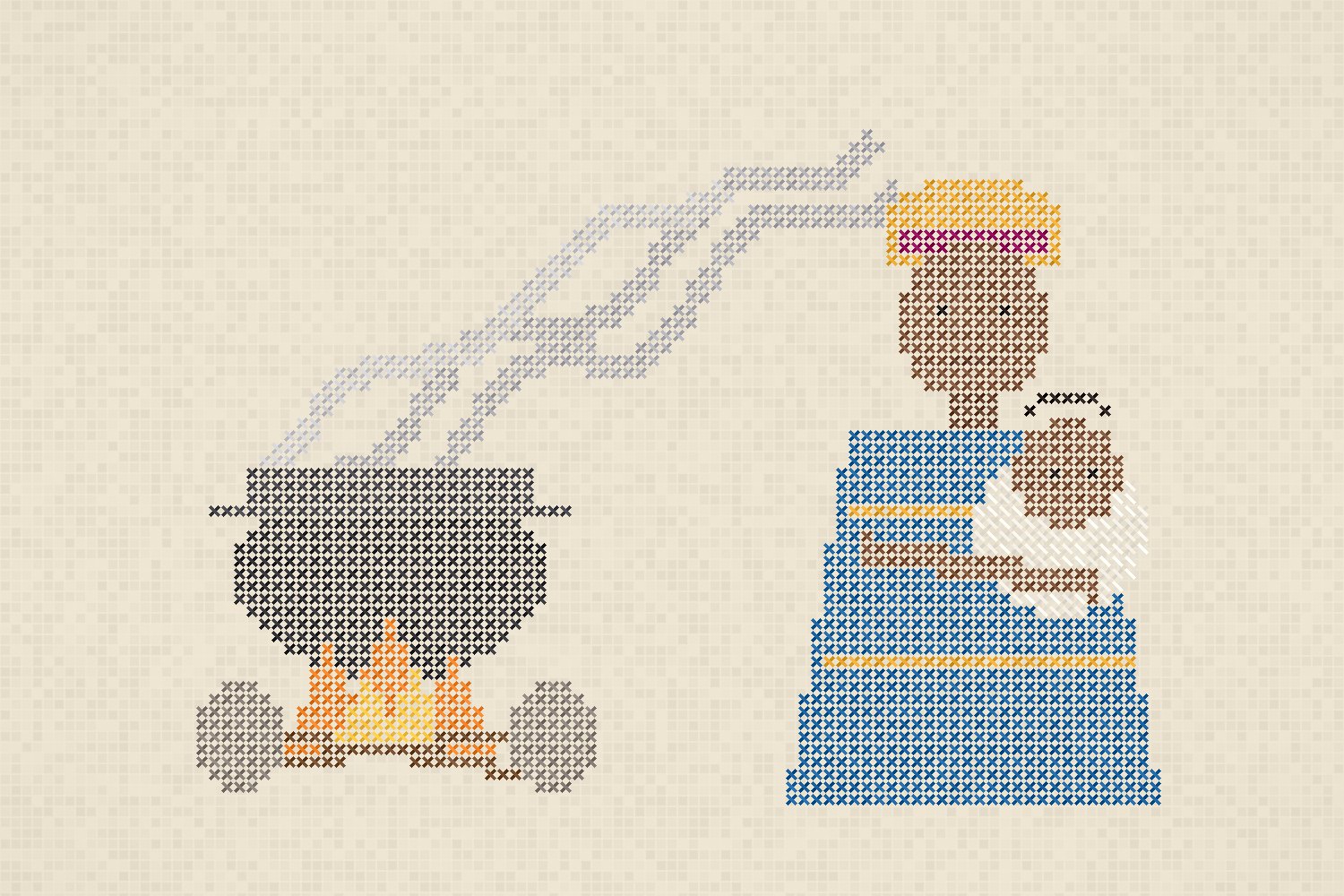
Cooking with wood, charcoal or other polluting fuels fills homes with smoke. WHO estimates that household air pollution is responsible for 44% of pneumonia deaths in children under five [7]. Women and young children, who spend the most time near the cooking fire and collecting fuel, carry the heaviest burden [7]. Access to clean cooking is lowest in sub-Saharan Africa [7], which makes this a women's health issue as much as a children's one.
of pneumonia deaths in children under five are linked to household air pollution, mostly smoke from cooking at home.
Cleaner cooking protects two generations at once: the mother at the stove and the child beside her.
How to protect families from pneumonia
The tools to prevent and treat pneumonia already exist [4]:
- Vaccinate. Complete every child's routine vaccines on time, and ask a health worker about vaccines recommended during pregnancy.
- Breastfeed. Exclusive breastfeeding for the first six months strengthens a baby's defences and shortens illness if it does occur.
- Clean the air. Cleaner stoves and fuels, cooking in well-ventilated spaces and keeping smoke away from children all reduce risk.
- Wash hands. Handwashing with soap reduces the spread of infection in busy homes.
- Act fast. Know the danger signs and seek care quickly. Health facilities need antibiotics and medical oxygen ready for severe cases.
What this means for Africa
Pneumonia deaths in Africa are concentrated where health systems are stretched, from the Sahel to Central and East Africa: where clinics are far, oxygen is scarce and community health workers are too few. Progress depends on vaccines reaching every child, protection for women during pregnancy, cleaner energy at home, and treatment available close to where families live. It also depends on African data. We need better local evidence on who gets pneumonia, why, and which interventions work best in African communities.
At HEER Africa, infectious disease and maternal health are both part of the priorities of our HER Science Initiative. Turning research on conditions like pneumonia into clear, usable evidence is exactly the kind of work we exist to do.
Every breath matters.
This World Pneumonia Day, learn the danger signs, pass them on, and help every child and mother breathe easier.
References and data sources
- Mensah E, et al. Burden, progress, and projections of under-5 lower respiratory tract infection mortality and incidence toward the 2025 GAPPD targets across 54 African countries, 1990–2050: a systematic analysis of the Global Burden of Disease Study 2023. Preprint, SSRN, 2026. papers.ssrn.com →
- UN Inter-agency Group for Child Mortality Estimation (UNICEF, WHO, World Bank, UN DESA). Levels and Trends in Child Mortality: Report 2025, as summarised in WHO news release, 18 March 2026. www.who.int →
- GBD 2023 Lower Respiratory Infections Collaborators (Sirota SB, et al.). Global burden of lower respiratory infections and aetiologies, 1990–2023: a systematic analysis for the Global Burden of Disease Study 2023. Lancet Infectious Diseases. 2026. doi.org →
- World Health Organization. Pneumonia in children (fact sheet). www.who.int →
- Goodnight WH, Soper DE. Pneumonia in pregnancy. Critical Care Medicine. 2005;33(10 Suppl):S390–7. pubmed.ncbi.nlm.nih.gov →
- World Health Organization. WHO prequalifies first maternal respiratory syncytial virus vaccine (19 March 2025). www.who.int →
- World Health Organization. Household air pollution (fact sheet). www.who.int →
- News Express Nigeria. Nigeria records 850,000 preventable child deaths annually — Pate (November 2025), reporting the Coordinating Minister of Health's figure of about 162,000 child deaths from pneumonia each year. www.newsexpressngr.com →
- Say L, et al. Global causes of maternal death: a WHO systematic analysis. Lancet Global Health. 2014;2(6):e323–33; see also the accompanying commentary, Indirect causes of maternal death. www.thelancet.com →
- Menéndez C, et al. An autopsy study of maternal mortality in Mozambique: the contribution of infectious diseases. PLoS Medicine. 2008;5(2):e44. doi.org →
- Every Breath Counts Coalition. World Pneumonia Day (2026 theme: A New Era of Pneumonia Control). stoppneumonia.org →
Figures come from the sources listed here. Learn how we review evidence. This post is general education and does not replace advice from a qualified health professional.